
Introduction to Migraine Aura
Migraine aura is a phenomenon that affects 25-30% of individuals living with migraine, presenting a unique set of challenges due to its distinctive symptoms. Aura is a temporary neurological disturbance that typically occurs before or during a migraine attack and can significantly impact daily functioning. There are 6 types of aura and these migraine symptoms, though temporary, can be unsettling and often cause confusion or concern for those experiencing them for the first time.
The signs of a migraine aura are not limited to one particular symptom and can involve multiple sensory systems. The most common type of aura involves visual changes, including the appearance of bright lights, zigzag patterns, or blind spots that disrupt their ability to see clearly. Others may experience unusual sensations, such as tingling or numbness in specific areas of the body, difficulty speaking, or even changes in motor coordination, weakness on ones side, and other neurological symptoms including vertigo or double vision. These experiences are a direct result of changes occurring within the brain, which manifest differently depending on the areas involved.
What sets migraine aura apart from other conditions is its transient nature, with symptoms often evolving over a short period. For most people, these disturbances should last between 5-60 minutes. However, the unpredictability of when a migraine aura will occur can make it difficult to plan for or manage. Understanding the range of possible symptoms and how they present is critical to distinguishing migraine aura from other neurological conditions, such as seizures, transient ischemic attacks, or strokes.
People who experience migraine aura frequently report triggers that seem to bring on these episodes. These can include factors such as stress and anxiety, lack of sleep, hormonal changes, certain foods, or environmental conditions like bright light or strong smells. Identifying these triggers and their patterns can help individuals take steps to mitigate their effects. For many, this involves making adjustments to daily routines or seeking medical advice to develop a personalized plan for managing migraine aura effectively.
Causes of Migraine Aura
The development of migraine aura is closely associated with a phenomenon in the brain known as cortical spreading depression. This is characterized by waves of electrical and chemical activity that move across the brain’s surface at about 2-3 mm per minute. This self-propagating wave of neuronal and glial depolarization is recognized as the fundamental cause of both the headache and aura associated with migraines. During this process, brain cells temporarily lose their ability to function normally, which results in the sensory disturbances commonly experienced during an aura. A more detailed description of what occurs in each step during an aura can be found here.
Genetics play a role in predisposing certain individuals to migraine aura. Mutations in specific genes, such as CACNA1A, ATP1A2, and SCN1A, are linked to this condition. These mutations affect neuronal activity, leading to the electrical disturbances observed during migraine aura. Individuals with a family history of migraines are at greater risk, which highlights the hereditary nature of this neurological condition.
External factors and lifestyle choices are also known to influence the likelihood of experiencing a migraine aura. Stress is a well-documented trigger, as it can increase the brain’s susceptibility to these electrical disturbances Environmental stimuli, such as bright lights or strong smells, as well as dietary habits, including consuming certain foods like caffeine or aged cheeses, can also initiate episodes in some individuals. Sudden changes in weather, hormonal shifts, and even sleep deprivation are additional triggers that are frequently reported by people with migraines. Identifying and understanding these external factors can empower individuals to take preventative measures and manage their symptoms more effectively.
Recognizing Migraine Aura Symptoms
Migraine aura symptoms present differently depending on the part of the brain cortex (the outer 3 mm brain layer) impacted by the electrical wave of cortical spreading depression. The 6 types of migraine aura are discussed in greater detail here. The 3 most common types of aura in order of frequency are visual, sensory, and speech aura. The 3 less common aura types are motor, brainstem, and retinal migraine aura.
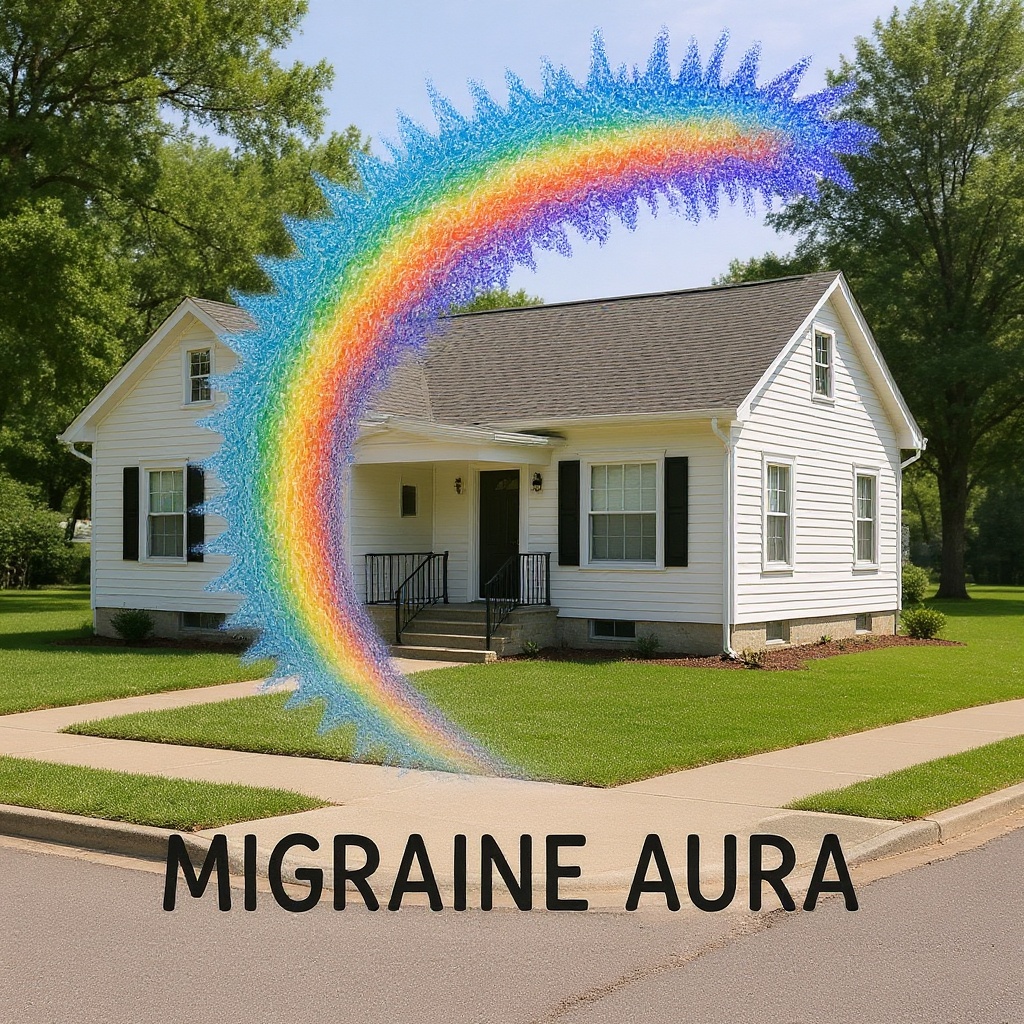
Visual aura is the most common type of migraine aura. When the electrical wave spreads across the visual cortex, visual symptoms such as expanding blind spots, zigzag lines, scintillating scotomas, wavy lines, or flashes of light (just to name a few).

Sensory aura occurs when the electrical wave spreads across various sensory areas of the brain. This is the 2nd most common type of migraine aura. Sensory aura may cause unusual sensations like tingling, numbness, or a pins-and-needles feeling, often involving one side of the face with possible spread to the hand, arm, or leg on the same side. Some develop a cheiro-oral aura with tingling around the mouth and in a hand.
Speech (language, aphasic, dysphasic) aura can involve temporary language difficulties, including trouble finding the right words, getting words out, slurred speech, or trouble understanding language. Speech/language aura is the 3rd most common type of migraine aura, and occurs when the electrical wave spreads across the speech/language cortex.

Motor aura (previously called hemiplegic migraine) is less common but may lead to temporary weakness on one side or difficulty coordinating movements. This occurs when the electrical wave spreads across the motor cortex.
Brainstem aura (previously called basilar migraine) is a more complex form that can affect balance, hearing, swallowing, double vision, coordination, or even consciousness.
Retinal aura (retinal migraine), while rare, affects just one eye, leading to temporary visual disturbances or loss of vision in that eye.
These sensory aura experiences last 5-60 minutes with the exception of motor aura which can last 3 days. However, in some individuals, aura symptoms may persist for a longer duration of more than 60 minutes (prolonged migraine aura), or continue without stopping (persistent migraine aura, visual snow syndrome).
While many people experience consistent patterns with their migraine aura symptoms, variability in presentation is not uncommon. The range of possible symptoms underscores the importance of paying attention to these experiences and noting any changes over time.
Diagnosing Migraine Aura
Healthcare providers approach the diagnosis of migraine aura by gathering a detailed medical history and assessing symptoms. Clear communication about the characteristics, duration, and frequency of symptoms is crucial, as this information helps differentiate migraine aura from other conditions like strokes, transient ischemic attacks (TIAs), or seizures. Visual aura, sensory aura, and speech difficulties are among the most common presentations of migraine aura. A study involving 362 patients found that 99% experienced visual aura, 54% had sensory aura, and 32% had aphasic aura, highlighting the diversity of symptoms.
While physical exams and symptom descriptions are often sufficient for diagnosis, neuroimaging tests such as MRI or CT scans may sometimes be recommended. These imaging techniques are not typically required for confirming migraine aura but can be useful in ruling out other possible causes for symptoms, such as structural brain abnormalities or problems with blood vessels such as aneurysms. In cases where diagnostic uncertainty exists, these tools provide additional insight. If there are atypical features to the aura such as a duration of more than 60 minutes, or occurring more than once in a day, an MRI of the brain should be considered. Migraine aura without headache (acephalgic migraine, silent migraine, painless migraine) also warrants a brain MRI.
A comprehensive evaluation includes identifying patterns or triggers associated with the onset of symptoms. Triggers may range from environmental factors to lifestyle habits, and documenting these connections is a vital part of the diagnostic process. Keeping a headache diary can be particularly helpful in tracking symptom progression and identifying factors that may contribute to episodes.
During the diagnostic process, healthcare professionals may also explore family medical history to determine whether a genetic predisposition exists. Since migraines, including those with aura, often run in families, a hereditary link can provide further context for diagnosis. Additionally, clinicians might evaluate the impact of lifestyle factors, such as stress levels, sleep habits, and dietary choices, to form a complete picture of an individual’s condition.
Accurate and timely diagnosis of migraine aura allows for a more tailored approach to treatment, ensuring that patients receive strategies specific to their needs while addressing any underlying or contributing conditions.
Migraine Aura Treatment Options
Treatment for migraine aura focuses on addressing both the immediate symptoms of a migraine attack and preventing future episodes. Unfortunately, there are no good treatments that have been shown to abort the aura itself.
Supplements, particularly magnesium and vitamin B2 (riboflavin) can help with both migraine and aura prevention for some patients.
Medications such as triptans, gepants, DHE, and neuromodulation devices are used to treat a migraine episode during an active attack and may help reduce the severity of symptoms when taken early.
Preventive medications, including beta blockers, anticonvulsants, antidepressants, gepants, Botox, CGRP monoclonal antibodies, and neuromodulation devices are often recommended for individuals with frequent or debilitating migraine episodes. Sometimes the aura itself is more disruptive than the headache pain, so prevention is key.
Preventive medicines are the mainstay of treatment for those with frequent migraine aura without headache (no head pain) as well, to try to prevent the aura from occurring. These treatments work by stabilizing brain activity, preventing the electrical wave of cortical spreading depression, or addressing other factors that contribute to migraines.
In addition to pharmacological options, lifestyle modifications are highly effective in managing migraine aura. Regular exercise tailored to an individual’s physical capacity, along with maintaining a consistent sleep schedule, can help reduce the frequency of episodes. Hydration and a balanced diet also play key roles, as skipping meals or consuming certain trigger foods can exacerbate symptoms. For those with known dietary triggers, working with a nutritionist can be particularly beneficial in creating a tailored eating plan.
Biofeedback and cognitive behavioral therapy (CBT) are non-medication approaches that have shown success in managing stress, a common trigger for migraine. These therapies teach individuals how to regulate physiological responses and manage the emotional aspects of living with a chronic condition.
It is essential for individuals with migraine to work closely with healthcare providers when exploring treatment options, because the more that migraine goes untreated without an effective abortive and preventive strategy, the more frequent and severe the migraines become. Personalized plans that combine medications and lifestyle changes offer the most effective way to manage this condition while reducing its overall impact on daily life.
Managing Migraine Aura in Daily Life
Managing migraine aura in daily life involves identifying practical strategies to reduce its impact while fostering a sense of control over one’s well-being. One of the most effective steps individuals can take is tracking patterns in their symptoms. Keeping a diary of episodes, including details about potential triggers such as stress, lack of sleep, certain foods, or hormonal changes, can provide valuable insights. This information can be shared with healthcare providers to refine treatment plans and develop personalized prevention strategies.
Lifestyle modifications can also play a significant role in reducing the frequency and severity of migraine aura episodes. Establishing a consistent sleep schedule, staying hydrated, and maintaining regular meal times are foundational habits. Engaging in moderate exercise, tailored to one’s capacity, can also help by promoting overall brain health and reducing stress, which is a common trigger. Avoiding environmental triggers, such as bright lights or strong smells, may further reduce the risk of episodes.
Stress management is particularly crucial, as stress is one of the most frequently reported migraine triggers. Incorporating relaxation techniques, such as meditation, yoga, or deep breathing exercises, into daily routines can help individuals cope with stress more effectively. Biofeedback and cognitive behavioral therapy (CBT) may also be useful tools for managing the emotional and physical challenges associated with living with migraine aura.
Support systems are another vital aspect of daily management. Support groups, whether in-person or online, offer a safe space for individuals to share experiences, learn from others, and find emotional support. Additionally, having a reliable network of family, friends, or coworkers who understand the condition can provide practical assistance during episodes.
For individuals who experience migraines with aura, understanding the associated risks is also important. Women with migraine with aura have an increased risk of stroke, especially those who smoke or use oral contraceptives. The risk of stoke in women who have migraine with aura, and are using estrogen is discussed in much greater detail here. Collaborating with your healthcare provider to address these risks if you have aura, and make informed decisions about lifestyle choices and preventive measures is essential for maintaining long-term health.
Conclusions
Migraine headache is a challenging condition that requires a well-rounded approach to understanding and managing its impact. By becoming familiar with the unique symptoms and potential triggers, individuals can take proactive steps to better prevent and treat episodes. Collaboration with healthcare professionals is vital in creating a tailored treatment plan, excluding other causes, and ensuring that both immediate symptoms and long-term prevention strategies are effectively addressed.
Adopting lifestyle changes, such as maintaining a consistent routine, managing stress, and staying aware of personal triggers, can make a meaningful difference in reducing the frequency and intensity of episodes. Combining these efforts with appropriate medical interventions offers the best chance of improving overall well-being and minimizing the disruptions caused by migraine aura.
Living with migraine with or without aura can feel isolating, but it’s important to seek support and share experiences with others who understand the condition. Building a network of understanding individuals, along with consulting trusted medical professionals, can provide both emotional relief and practical guidance.
As with any health condition, remaining informed about the latest treatment options and research developments empowers individuals to make decisions that best suit their needs. While much about migraine aura remains complex, continued advancements in medical science and treatment approaches provide hope for improved management and quality of life.
IF YOU HAVE HEADACHE, MIGRAINE, OR FACIAL PAIN AND ARE LOOKING FOR ANSWERS ON ANYTHING RELATED TO IT, A HEADACHE SPECIALIST IS HERE TO HELP, FOR FREE!
FIRST, LET’S DECIDE WHERE TO START:
IF YOU HAVE AN EXISTING HEADACHE, MIGRAINE, OR FACIAL PAIN DIAGNOSIS AND ARE LOOKING FOR THE LATEST INFORMATION, HOT TOPICS, AND TREATMENT TIPS, VISIT OUR FREE BLOG OF HOT TOPICS AND HEADACHE TIPS HERE. THIS IS WHERE I WRITE AND CONDENSE A BROAD VARIETY OF COMMON AND COMPLEX MIGRAINE AND HEADACHE RELATED TOPICS INTO THE IMPORTANT FACTS AND HIGHLIGHTS YOU NEED TO KNOW, ALONG WITH PROVIDING FIRST HAND CLINICAL EXPERIENCE FROM THE PERSPECTIVE OF A HEADACHE SPECIALIST.
IF YOU DON’T HAVE AN EXISTING HEADACHE, MIGRAINE, OR FACIAL PAIN DIAGNOSIS AND ARE LOOKING FOR POSSIBLE TYPES OF HEADACHES OR FACIAL PAINS BASED ON YOUR SYMPTOMS, USE THE FREE HEADACHE AND FACIAL PAIN SYMPTOM CHECKER TOOL DEVELOPED BY A HEADACHE SPECIALIST NEUROLOGIST HERE!
IF YOU HAVE AN EXISTING HEADACHE, MIGRAINE, OR FACIAL PAIN DIAGNOSIS AND ARE LOOKING FOR FURTHER EDUCATION AND SELF-RESEARCH ON YOUR DIAGNOSIS, VISIT OUR FREE EDUCATION CENTER HERE.