
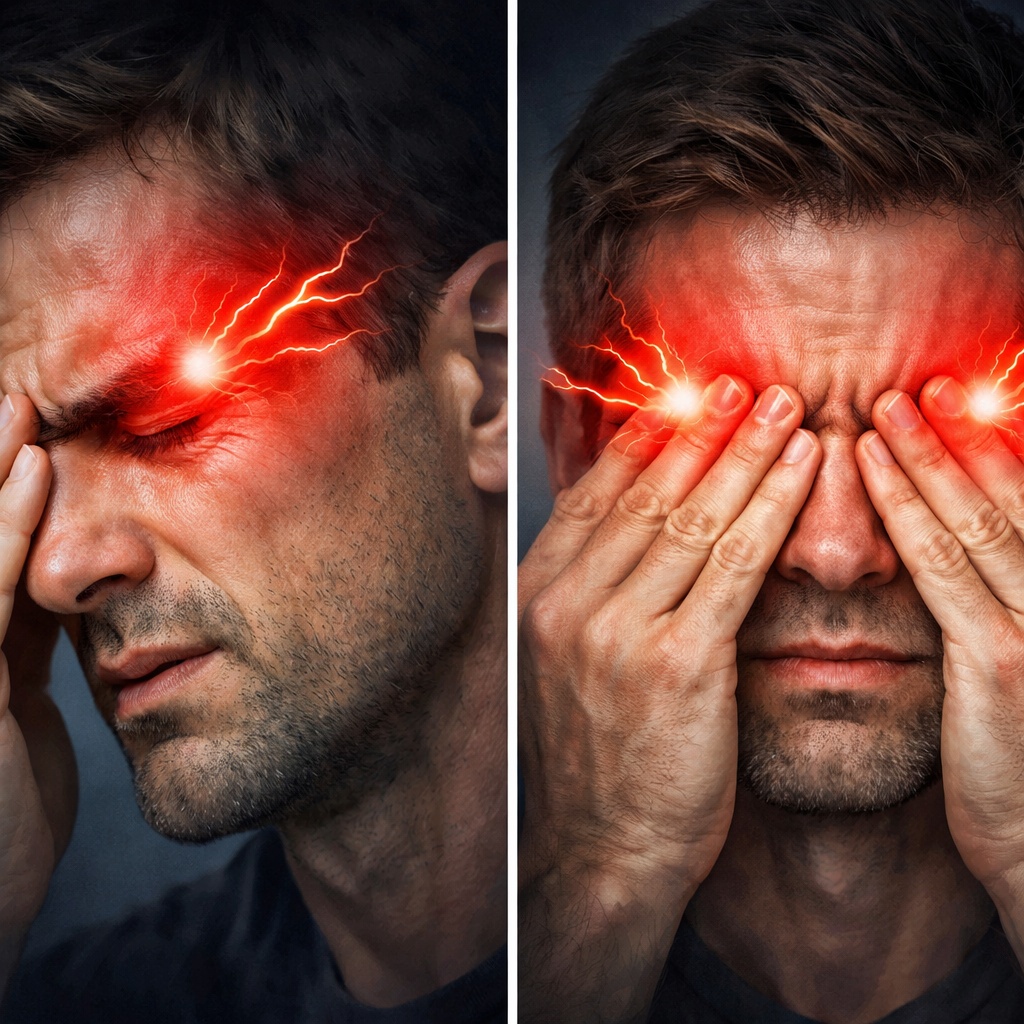
Understanding Headaches Behind the Eyes
Headache pain behind the eyes can be particularly challenging because they may arise from various causes. This is one of the most common locations for almost every type of headache, which can make it hard to narrow down. The associated headache symptoms and pain location involving pain behind only one eye or both eyes can help make the diagnosis more clear. On the other hand though, headache behind the eyes may indicate underlying issues related to the eyes, nerves, sinuses, or even overall health. Recognizing the potential causes can help guide decisions about managing or seeking treatment for this condition.
While most headaches behind the eyes are not cause for alarm, it’s crucial to pay attention to additional symptoms, including sudden vision changes, severe pain, neurological signs and symptoms, which may point to more serious conditions. Understanding the nature of these headaches involves a careful look at both symptoms and potential triggers to determine the next steps for relief or further investigation.
Types of Headaches That Cause Pain Behind the Eyes
Headaches behind the eyes can stem from many distinct types, each with unique characteristics. The first step is to separate the headaches into those that occur on both sides behind the eyes or only on one side behind one eye. This free headache symptom checker tool can also help narrow down some of the possible headache types to discuss with your doctor.
Headache behind both eyes

The most common type of headache involving pain behind and around both eyes are tension-type headaches. These are usually described as dull, achy, or band-like pressure extending through the forehead, temples, and sometimes even around the head. These headaches often result from stress, muscle tension, or poor posture. There cannot be any throbbing, or nausea with tension headaches. If there is, it would fit criteria better for migraine, which is the next most common location for pain behind both eyes. Tension headaches can have some mild sensitivity to light (photophobia) or sensitivity to sound (phonophobia), but not both. If both occur, it fits criteria better for migraine. The pain for migraine is described as moderate to severe, whereas pain for tension type headaches are described as mild to moderate.
Sinus headaches can arise from sinus infections, leading to pressure and pain near the eyes. However, it’s also possible for this headache to be focused on one side only. This type of headache is usually accompanied by nasal congestion, facial tenderness, or a sense of fullness in the sinus areas. There is usually fever and nasty nasal drainage as well. With that said, most “sinus headaches” have been shown to actually be migraine headaches. The same trigeminal nerve system that causes migraines also innervates all the sinus areas. So when a migraine is active, it often also triggers sinus symptoms and pain. For some patient with migraine, they have very prominent sinus symptoms. Therefore, migraine often gets misdiagnosed as “sinus headaches”. However, if there is throbbing, nausea, or light and sound sensitivity, it is more likely migraine. If there is associated fever and nasty thick colored sinus drainage, a true sinus infection should be evaluated for.
In addition to these causes, digital eye strain is an increasingly recognized contributor to headaches behind the eyes. Prolonged use of digital screens can strain the eye muscles, resulting in discomfort and pain that radiates to this area. Research shows that 53% of university students in Jordan experienced headaches as a symptom of digital eye strain. Furthermore, another study noted that 69.1% of students reported symptoms like redness and heaviness of the eyelids, often linked to headaches from digital eye strain. These headaches often have a tension-type headache character. Poor lighting, improper screen positioning, or inadequate breaks during screen time can exacerbate these symptoms. In some cases, this type of headache may be connected to tension in the surrounding muscles, such as those in the neck, shoulders, or forehead. Stress or poor posture during daily activities, such as working at a desk, can cause this muscle tension to build, resulting in referred pain behind the eyes.
Headache behind one eye only
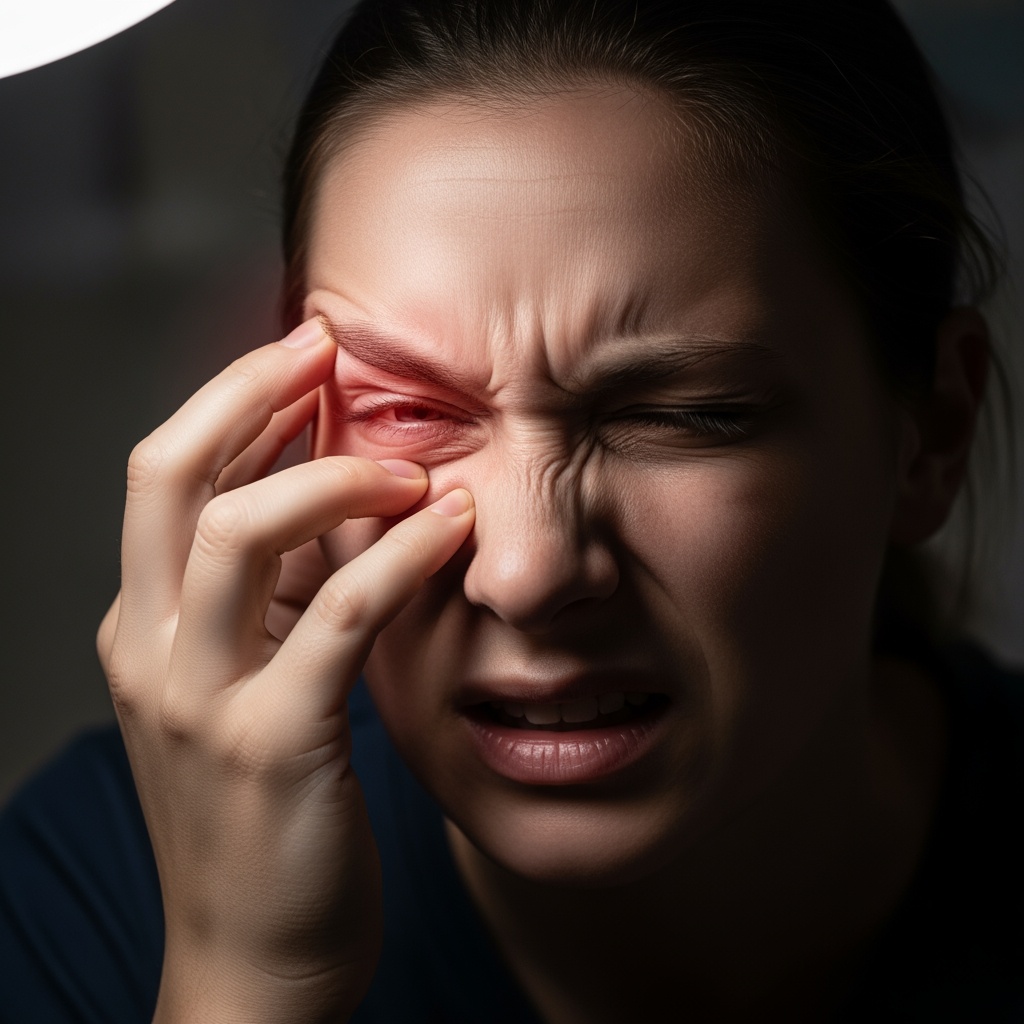
The most common headache involving headache on one side behind one eye is migraine. As discussed above, migraine can also involve both sides, so it can be variable. Migraine is discussed above and requires pain that is moderate to severe, usually a throbbing, pounding, or pulsating, and there must be be nausea and/or photophobia and phonophobia.
There are 4 trigeminal autonomic cephalalgias (TAC syndromes) which require pain strictly only on one side of the head, often around or behind the eye. There must also be an associated autonomic symptom on the same side of the head pain. Autonomic symptoms include lacrimation (runniness/tearing of the eye), conjunctival injection (redness of the eye), facial sweating or flushing (skin turning blushed), nasal congestion, rhinorrhea (runniness of nose), sense of ear fullness, eyelid edema (swelling), or partial Horner’s syndrome (miosis (pupil becomes small)) and/or ptosis (droopiness of the eye).
The most common of the TAC syndromes is cluster headache. Cluster headaches are marked by severe pain that usually centers around or behind one eye associated with at least one of the autonomic features listed above. Cluster headaches tend to occur in “clusters” of attacks lasting 15 minutes up to 3 hours. They often occur during season changes and around the same times each day (such as after falling sleep at night). They can occur from one every other day to 8 attacks in a day during a cluster cycle.
The other TAC syndromes include hemicrania continua, paroxysmal hemicrania, and SUNCT/SUNA. All 4 of these TAC syndromes have in common pain around or behind 1 eye area on one side only, with an autonomic symptom. They vary from one another based on the frequency and duration of attacks, which can range from 1 second to continuous unrelenting pain. All 4 TAC syndromes are detailed in much greater detail here.
When Headache Behind Eyes Won’t Go Away: Other Causes and Testing
Similarly, migraines or cluster headaches can become ongoing challenges when they evolve to a chronic daily pattern. This occurs when there is an in adequate abortive and preventive treatment plan, allowing the headaches to worsen in frequency and severity.
When a headache behind the eyes persists, it may signal an underlying issue that requires closer attention. Several potential factors could contribute to such persistent pain. Chronic sinus problems, such as dry eyes or recurring sinus infections or inflammation, can lead to long-term pressure and discomfort in the areas around the eyes. However, as discussed above migraine is the great “sinus headache” mimic so must always be considered when there is any question of “sinus headache”.
It’s important to consider less common causes as well. Optic neuritis, an inflammation of the optic nerve, can lead to persistent eye pain that intensifies with movement. This can be associated with demyelinating brain conditions such as multiple sclerosis (MS).
An abrupt lack of blood flow and stroke to the blood vessels supplying the optic nerve or back of the eye can also cause pain behind an eye. These conditions are often accompanied by visual disturbances including vision loss and require urgent medical attention. Brain tumors, pituitary tumors, aneurysms, or other structural causes behind the eye should also be considered and excluded with brain imaging, including a brain MRI and MRA (or CTA) so both the brain and the arteries are evaluated simultaneously.
Giant cell arteritis (temporal arteritis) is a much less common type of headache which involves the temple more than the eye. However, it is worth mentioning since sometimes this whole area around the eye can be involved. It more often occurs on both sides of the head, but can also occur on just one side. Temporal arteritis is an inflammatory condition involving the temporal artery traveling through the temple. Associated symptoms can include jaw cramping and blurry vision. The scalp is often sore and sensitive. The arteries in the temples and sides of the head may be found to feel hard and very tender when touched. It most often occurs in patients older than 50. It is important to diagnose it because if untreated, it can lead to vision problems and even blindness if steroids are not started quick enough. Patients with temple pain who are older than 50 should be screened with an ESR and CRP blood tests to screen for this.
Monitoring how often these headaches occur and identifying patterns can help pinpoint potential triggers. Certain lifestyle habits, such as inadequate hydration, poor posture, or insufficient sleep, might also contribute to recurring headaches behind the eyes, particularly tension type headache and migraine. Keeping a journal of symptoms, frequency, and accompanying factors—such as dietary changes, screen use, or stress levels—can provide valuable insight for healthcare providers.
It’s essential to avoid self-diagnosing and to seek medical advice if symptoms persist or worsen. An accurate diagnosis allows for tailored treatment plans that address the specific cause of the headache, improving both relief and long-term outcomes. The bottom line is that any type of headache requires an evaluation by your doctor to do a medical exam, neurological exam, detailed history and conversation about symptoms, and appropriate testing including brain imaging and blood work.
Effective Treatments for Headaches Behind the Eyes
Following an evaluation with your doctor, a treatment strategy must be initiated. Treatment for headaches behind the eyes depends on the underlying cause. Over-the-counter medications like ibuprofen or acetaminophen are commonly used to address mild to moderate pain and can provide quick relief for some individuals. In addition to medication, applying a warm or cold compress (such as a migraine cap) to the affected area may help reduce inflammation or soothe tension contributing to the headache. Staying hydrated is also crucial, as dehydration can exacerbate symptoms.
Recognizing and avoiding triggers is important, especially for migraine. Triggers can include food, environmental, workplace setting, weather, stress, and many others.
For individuals experiencing headaches due to digital eye strain, adopting better ergonomic practices is key. The American Optometric Association suggests keeping screens approximately 20 inches from the eyes and slightly below eye level to minimize strain. Following the 20-20-20 rule—taking a 20-second break to look at something 20 feet away every 20 minutes—can also help reduce the strain that contributes to headaches. Adjusting the brightness and contrast settings on digital devices may further ease discomfort.
Relaxation techniques such as deep breathing, meditation, yoga, or gentle stretching exercises can help relieve stress-related tension in the neck, shoulders, and head, which are often linked to headaches behind the eyes. For sinus-related headaches, steam inhalation or saline nasal sprays may reduce nasal congestion and alleviate pressure around the eyes. There are many home remedies and natural supplements which can help prevent headaches such as migraines.
Persistent or severe cases may require additional interventions. Professional treatments like physical therapy can target muscle tension in the neck and shoulders, which may contribute to recurring headaches. Cognitive-behavioral therapy is another option, particularly for those whose headaches are influenced by stress or emotional triggers. In cases where headaches are linked to specific medical conditions, such as migraine, a healthcare provider may recommend prescription medications, including triptans, gepants, preventive medications such as CGRP mAbs, or Botox injections or chronic migraine sufferers.
Adequate sleep is essential for recovery and repair processes, and poor sleep hygiene is often a contributing factor in recurring headaches. Creating a calming nighttime routine and avoiding excessive screen use before bed can improve sleep quality.
Conclusions
Headaches that occur behind the eyes can feel overwhelming, especially when their causes and triggers vary widely. The good news is that the overwhelming majority are benign headache conditions, yet still require an evaluation with your doctor. Understanding the potential reasons behind this type of pain is key to determining the most appropriate course of action. While many cases are linked to manageable factors like tension headache, migraine, digital eye strain, or muscle tension, some may indicate more complex underlying conditions that require professional attention.
Effective management often begins with identifying the specific triggers, which can include lifestyle or dietary habits, environmental influences, or even underlying medical conditions. Early intervention not only helps alleviate immediate discomfort but can also prevent recurring and worsening of episodes. Simple adjustments, like improving posture, staying hydrated, or taking regular screen breaks, may significantly reduce the frequency of headaches for many individuals.
However, persistent or severe symptoms should never be ignored. Monitoring patterns, keeping track of accompanying symptoms, and seeking timely medical advice are crucial steps toward uncovering and addressing the root cause. In some cases, specialized evaluations, such as eye exams or imaging tests, may be necessary to rule out conditions involving the optic nerve, blood vessels, or other structural issues.
While at-home remedies and preventive strategies can offer substantial relief, every individual’s situation is unique. Collaborating with healthcare providers ensures a tailored approach to treatment, particularly for more challenging headache types like migraines or cluster headaches. The ultimate goal is to not only reduce pain but also improve overall quality of life by addressing the underlying factors contributing to headaches behind the eyes.
IF YOU HAVE HEADACHE, MIGRAINE, OR FACIAL PAIN AND ARE LOOKING FOR ANSWERS ON ANYTHING RELATED TO IT, A HEADACHE SPECIALIST IS HERE TO HELP, FOR FREE!
FIRST, LET’S DECIDE WHERE TO START:
IF YOU HAVE AN EXISTING HEADACHE, MIGRAINE, OR FACIAL PAIN DIAGNOSIS AND ARE LOOKING FOR THE LATEST INFORMATION, HOT TOPICS, AND TREATMENT TIPS, VISIT OUR FREE BLOG OF HOT TOPICS AND HEADACHE TIPS HERE. THIS IS WHERE I WRITE AND CONDENSE A BROAD VARIETY OF COMMON AND COMPLEX MIGRAINE AND HEADACHE RELATED TOPICS INTO THE IMPORTANT FACTS AND HIGHLIGHTS YOU NEED TO KNOW, ALONG WITH PROVIDING FIRST HAND CLINICAL EXPERIENCE FROM THE PERSPECTIVE OF A HEADACHE SPECIALIST.
IF YOU DON’T HAVE AN EXISTING HEADACHE, MIGRAINE, OR FACIAL PAIN DIAGNOSIS AND ARE LOOKING FOR POSSIBLE TYPES OF HEADACHES OR FACIAL PAINS BASED ON YOUR SYMPTOMS, USE THE FREE HEADACHE AND FACIAL PAIN SYMPTOM CHECKER TOOL DEVELOPED BY A HEADACHE SPECIALIST NEUROLOGIST HERE!
IF YOU HAVE AN EXISTING HEADACHE, MIGRAINE, OR FACIAL PAIN DIAGNOSIS AND ARE LOOKING FOR FURTHER EDUCATION AND SELF-RESEARCH ON YOUR DIAGNOSIS, VISIT OUR FREE EDUCATION CENTER HERE.