
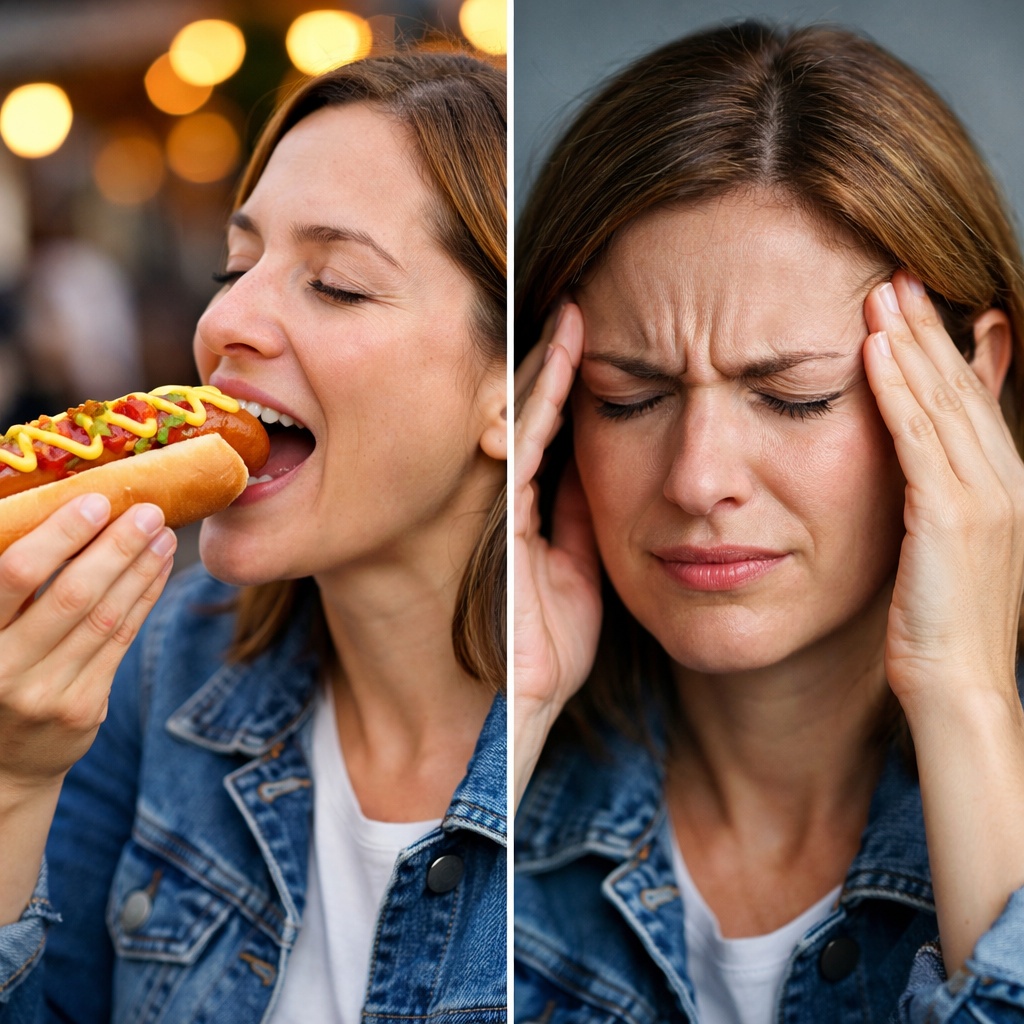
Introduction to Post-Meal Headaches
Many people are surprised to find that eating can sometimes be followed by an immediate headache. This unpleasant sensation can range from mild discomfort to a more intense throbbing pain, making it challenging to identify the exact cause. However, the connection between meals and headaches is more common than you might think, and it can stem from a variety of physical and dietary factors. Whether it’s related to certain foods, the body’s response to eating, or underlying health conditions, pinpointing the common triggers is key to finding relief.
Blood Sugar Fluctuations and Post-Meal Headache
Blood sugar fluctuations are a well-recognized cause of headaches following a meal. After eating, the body releases insulin to help process glucose from the food, but when this process is disrupted, it can lead to a rapid spike (such as in diabetes) or drop in blood sugar levels. Both scenarios can trigger headaches, with symptoms ranging from mild discomfort to more severe migraine-like pain. Research highlights that changes in blood sugar can play a significant role in the development of migraines, impacting many individuals worldwide. Approximately 10% of people worldwide experience migraines due to blood sugar changes.
For some, reactive hypoglycemia—low blood sugar that occurs shortly after eating—may be a contributing factor. This condition often results from consuming meals high in refined carbohydrates, which can cause a sudden rise in blood sugar followed by a rapid drop. Individuals with this issue may notice headache symptoms within a few hours of eating. Research also supports the idea that diet can be a critical component of managing migraines triggered by blood sugar instability. Adhering to these types of diets for three months significantly alleviated migraine symptoms. Following a diet that focuses on complex carbohydrates and avoids sudden sugar spikes can help maintain stable blood sugar levels, reducing the likelihood of these headaches.
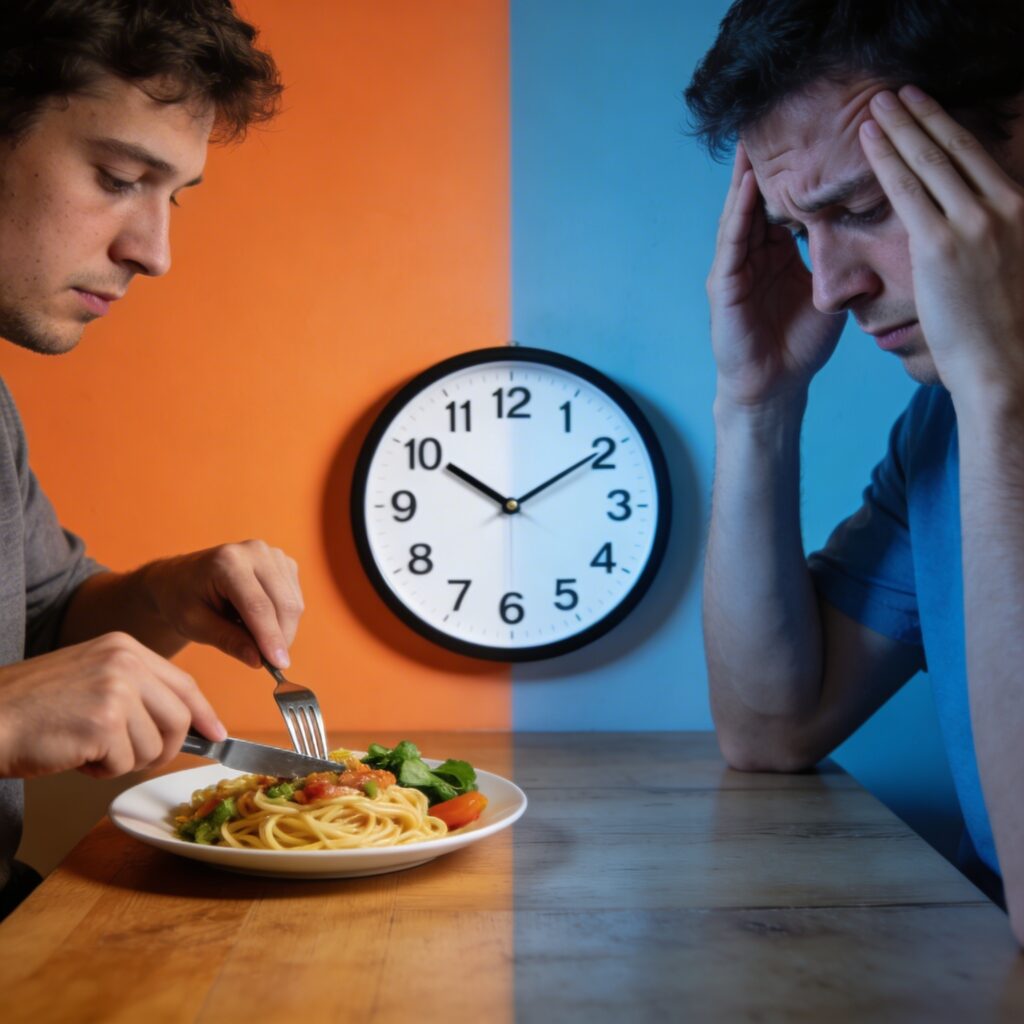
Food Allergies, Food Sensitivities and Postprandial Headache
Certain foods can act as triggers for headaches, particularly in individuals with food allergies or sensitivities (food intolerances). Common culprits include aged cheeses, chocolate, and specific types of nuts, which can provoke headaches in those who are sensitive to them. Allergies and sensitivities affect the body in different ways—while allergies activate an immune response such as in celiac disease, food sensitivity does not. However, both can result in being an underlying cause of headache symptoms, often making it difficult to distinguish between the two.
One significant factor linked to headaches is dietary histamine intolerance. Histamine is a compound found in various foods, such as fermented products and cured meats, which can cause problems for individuals with reduced activity of diamine oxidase (DAO), the enzyme responsible for breaking down histamine. This intolerance appears to be common in people with migraines. Studies have shown that migraine sufferers are more likely to have lower DAO activity, leading to an accumulation of histamine in the body. Specifically, 87% of migraine sufferers had diminished DAO activity.
Identifying the connection between specific foods and headaches often requires careful observation and tracking. An elimination diet, under the guidance of a healthcare professional, can help identify and avoid triggers. It’s important to note that each individual’s response to food-related triggers can vary widely, which highlights the need for personalized approaches when addressing this issue.
Dehydration and Dietary Factors
Dehydration can quietly contribute to dehydration headaches following a meal, especially if your body lacks enough water levels to support digestion. When you eat, your body naturally diverts water to aid in breaking down food and absorbing nutrients. If you are already dehydrated, this increased demand for hydration can potentially lead to discomfort, including headaches.
In addition to dehydration itself, certain dietary choices may worsen the problem. For instance, caffeine and alcohol are commonly consumed beverages that can exacerbate dehydration due to their diuretic properties (water loss through increased urination), encouraging your body to lose more fluids than it retains. This fluid loss may leave you more prone to developing headaches after a meal.
Another factor is the presence of high-sodium foods in your diet, as excessive salt intake can lead to fluid imbalances. When your body attempts to balance elevated sodium levels, it retains water, which can result in changes to blood pressure and trigger headache symptoms for some individuals.
To minimize these risks, it’s important to stay mindful of hydration needs throughout the day, particularly if your diet includes diuretics or high-sodium meals. Replenishing fluids consistently, rather than waiting until you feel thirsty, can help reduce the chances of a headache developing after eating.
High Blood Pressure and Salt Intake
Consuming foods with excessive salt can lead to a temporary increase in blood pressure for some individuals, which may result in hypertension headache symptoms. The body responds to high sodium intake by holding onto extra water to dilute the excess salt, leading to an increase in blood volume. This change places additional strain on the circulatory system by dilating the arteries, potentially causing headaches. People who are already sensitive to sodium or have conditions like hypertension may find that salty foods exacerbate these symptoms.
Some studies suggest that individuals prone to migraines might be more susceptible to headache triggers related to blood pressure fluctuations. Foods like chips, canned soups, processed meats, and other high-sodium products are often the main culprits. Over time, consistently consuming large amounts of salt may not only contribute to chronic high blood pressure but also increase the frequency of headaches.
It’s worth noting that reactions to salt intake can vary widely depending on personal health, genetics, and overall diet. For those experiencing frequent post-meal headaches, monitoring sodium consumption and choosing fresh, minimally processed foods may help reduce symptoms.
Other Possible Triggers For Getting Headaches After Eating
Food additives and preservatives found in processed foods are frequently associated with headaches after eating. Monosodium glutamate (MSG) is one of the most well-known triggers, as it can induce a headache shortly after consumption. In fact, a migraine could occur within 20 minutes of eating MSG-containing foods. Individuals who are particularly sensitive to MSG may notice symptoms ranging from mild discomfort to more severe migraine episodes. Nitrates and nitrites such as in cured meats and hot dogs (“hot dog headache”), tyramine (aged cheeses), fermented foods, artificial sweeteners like aspartame, chocolate, and alcohol (especially red wine) are classic migraine triggers following consumption.
Stress can also contribute to headaches linked to eating. When stress levels are high, the body may respond by releasing hormones that tighten blood vessels, which can result in pain. Poor eating habits, such as skipping meals or eating too quickly, may further exacerbate this issue. Rapid eating can overwhelm the digestive system, sometimes triggering headache symptoms, especially in those prone to migraines.
Caffeine is another factor that plays a role in post-meal headaches. While small amounts of caffeine can sometimes relieve migraines, excessive consumption may have the opposite effect. Multiple studies have identified caffeine consumption as a trigger for migraine headaches. Individuals who regularly consume caffeine or suddenly reduce their intake may find themselves experiencing withdrawal headaches, which can occur after meals or at other times throughout the day.
Temperature-related factors, such as consuming very cold foods or beverages, can also lead to sudden headaches. Known as “brain freeze,” this sharp pain happens when something cold touches the roof of the mouth and temporarily alters blood flow in the head. While this type of headache is brief and generally harmless, it can still be uncomfortable for those who experience it frequently. It can be so painful that there is tearing or redness in an eye on the affected side.
A TMJ disorder (temporomandibular joint) can be another root cause for headache immediately after eating. These headache strikes can be triggered from the act of chewing, especially harder or thicker foods. The pain is often in front of the ears, jaws, into temples. It can resemble tension headaches but there can be variability to the headache pain, sometimes even triggering a migraine attack.
Lastly, hormonal changes or imbalances may indirectly contribute to headaches triggered by eating. Some individuals find that specific foods exacerbate hormone-related migraines, particularly during certain phases of the menstrual cycle. Tracking dietary habits alongside headache patterns may help identify these connections.
Conclusion and Tips for Prevention of Headache Right After Eating
Managing immediate headache after eating often requires identifying triggers and adopting strategies to prevent them. A consistent and balanced diet can significantly reduce the frequency of post-meal headaches from trigger food and other possible reasons. Studies show that following dietary approaches like the DASH diet, which emphasizes fresh vegetables, fruits, whole grains, and low-sodium foods, may reduce the prevalence of severe headaches by 30%. The DASH diet is associated with a 30% lower prevalence of severe headaches.
Similarly, adopting a Mediterranean-style diet that prioritizes healthy fats, lean proteins, and nutrient-dense foods can help manage migraines while improving overall health. Similarly, following a Mediterranean-style diet can lower migraine frequency and reduce disability scores.
To prevent post-meal headaches, prioritize staying hydrated throughout the day and avoid sudden spikes or drops in blood sugar by opting for balanced meals that include complex carbohydrates, proteins, and healthy fats. If you suspect food sensitivities or allergies might play a role, keeping a food diary can help you track potential triggers. Working with a healthcare professional or dietitian to implement an elimination diet and monitor for high blood sugar (diabetes) or low blood sugar after meals may provide further clarity.
Additionally, consider lifestyle factors such as stress management, maintaining regular eating habits, and avoiding overly processed or high-sodium foods that could exacerbate symptoms. For those who experience hormone-related headaches, tracking patterns in relation to dietary habits and hormonal changes may provide useful insights.
Though these strategies can be helpful, every individual’s experience with post-meal headaches is unique. Consulting with a healthcare provider is essential to ensure that any underlying conditions are addressed and that your approach to prevention is tailored to your specific needs.
IF YOU HAVE HEADACHE, MIGRAINE, OR FACIAL PAIN AND ARE LOOKING FOR ANSWERS ON ANYTHING RELATED TO IT, A HEADACHE SPECIALIST IS HERE TO HELP, FOR FREE!
FIRST, LET’S DECIDE WHERE TO START:
IF YOU HAVE AN EXISTING HEADACHE, MIGRAINE, OR FACIAL PAIN DIAGNOSIS AND ARE LOOKING FOR THE LATEST INFORMATION, HOT TOPICS, AND TREATMENT TIPS, VISIT OUR FREE BLOG OF HOT TOPICS AND HEADACHE TIPS HERE. THIS IS WHERE I WRITE AND CONDENSE A BROAD VARIETY OF COMMON AND COMPLEX MIGRAINE AND HEADACHE RELATED TOPICS INTO THE IMPORTANT FACTS AND HIGHLIGHTS YOU NEED TO KNOW, ALONG WITH PROVIDING FIRST HAND CLINICAL EXPERIENCE FROM THE PERSPECTIVE OF A HEADACHE SPECIALIST.
IF YOU DON’T HAVE AN EXISTING HEADACHE, MIGRAINE, OR FACIAL PAIN DIAGNOSIS AND ARE LOOKING FOR POSSIBLE TYPES OF HEADACHES OR FACIAL PAINS BASED ON YOUR SYMPTOMS, USE THE FREE HEADACHE AND FACIAL PAIN SYMPTOM CHECKER TOOL DEVELOPED BY A HEADACHE SPECIALIST NEUROLOGIST HERE!
IF YOU HAVE AN EXISTING HEADACHE, MIGRAINE, OR FACIAL PAIN DIAGNOSIS AND ARE LOOKING FOR FURTHER EDUCATION AND SELF-RESEARCH ON YOUR DIAGNOSIS, VISIT OUR FREE EDUCATION CENTER HERE.