
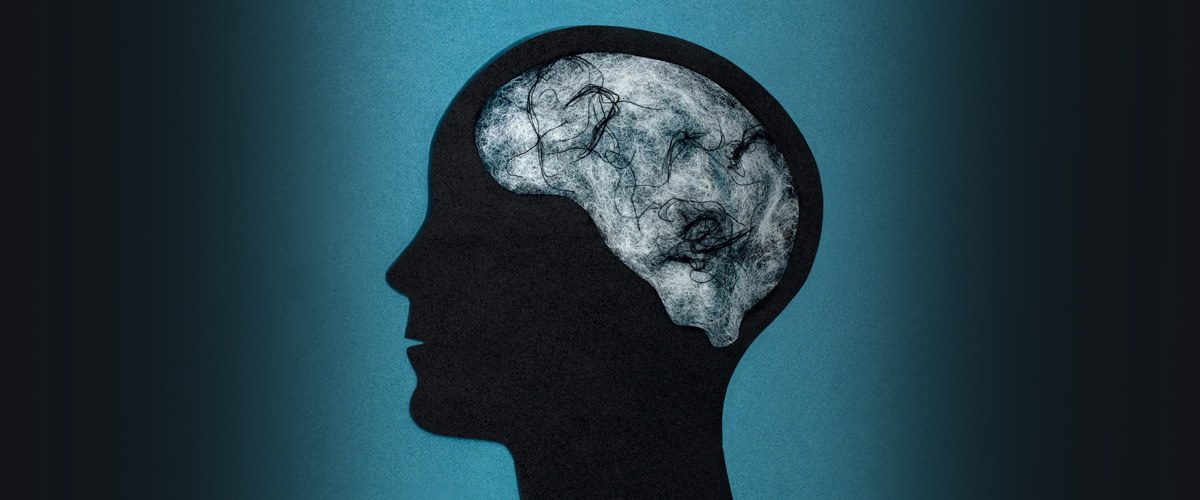
What is Migraine Brain Fog?
Migraine brain fog is a very common complaint among those with migraine. Brain fog is a broad term used for a constellation of symptoms such a trouble thinking, impaired sense of concentration, attention, memory, and a feeling like the mind is cloudy before (prodrome phase), during the headache phase, or after (postdrome phase, or “migraine hangover) a migraine. However, brain fog is also a common complaint in many migraine patients in between migraine attacks when there is no headache if they have a higher migraine frequency.
Brain fog can cause trouble concentrating, doing daily tasks, cause a sense of memory loss, and other cognitive symptoms. This disruptive symptom can greatly affect daily life, work, and overall quality of life. In this blog we’ll discuss the symptoms and cause of brain fog, tips for clearing brain fog, and some exciting new medications which may help reduce brain fog.
I explain migraine brain fog to my patients as follows. Think of migraine as an electrical event throughout the brain, like your brain is immersed in an electrical storm. That electrical storm disrupts the normal brain circuitry and electrical pathways. The result is brain malfunction, like a short circuit, that can present with many different nonspecific neurological symptoms, including cognitive dysfunction and brain fog. Migraine sufferers stuck in chronic migraine (15–30 headache days per month) almost always complain of frequent brain fog and cognitive dysfunction because their brain is essentially “stuck” in this electrical storm of migraine.
Recognizing the Signs of Brain Fog
Brain fog during a migraine attack can leave you feeling disoriented, forgetful, and cognitively impaired with mental fatigue. If you find yourself struggling to recall information, experience difficulty concentrating, or notice impaired problem-solving abilities during a migraine, you’re likely dealing with brain fog.
How to Treat Migraine Brain Fog
Take a Break from Screens
Rest your eyes and take frequent breaks. Computer screens (desktop, laptop, tablets, phones) are common migraine triggers because they emit a lot of blue light wavelength. Try to change your screen’s brightness and contrast settings, get a blue-light blocking screen protector for your device, or even better, get a good pair of migraine glasses which will help the most with light sensitivity. Migraine patients’ nervous systems are already in a hyperactive or oversensitive state. This is why migraines trigger more easily for them. They are overly sensitive to many types of stimuli at baseline, particularly visual, sound, and smell stimuli. Bright lights and computer screens overstimulate their already overstimulated electrical networks and this can be very exhaustive to their brain, adding to brain fog.
Get Enough Sleep and Rest
Sleep is very important for your brain health and combating brain fog. During sleep your brain replenishes all of its neurotransmitters such as serotonin, acetylcholine, norepinephrine, dopamine, etc. Neurotransmitters are the chemicals in your brain that are required for cognitive processing, mood, energy, memory, attention, concentration, and many other important functions. If you are not getting into those deep restorative sleep stages due to poor sleep, you can become deficient in neurotransmitter balance. This is why people with insomnia, sleep apnea, and other sleep disorders often complain of many of these symptoms, particularly headache and brain fog, due to non-restorative sleep and incomplete replenishment of neurotransmitters.
According to the National Sleep Foundation, adults should get 7–9 hours of sleep a night, while teens need 8–10 hours, and kids ages 6–12 need 10–13 hours each night. If you aren’t getting enough rest, your body will feel tired and sluggish throughout the day, in addition to many neurocognitive complaints. Patients with migraine often have sleep disturbance complaints and this worsens not only their brain fog, but also their migraine frequency and severity.
If you’re having trouble falling asleep at night or staying asleep through the night, some things can help:
- Sleep meditation / breathing techniques: There are many techniques, such as the 4-7-8 breathing technique. This was popularized in 2015 by integrative medicine specialist Andrew Weil, MD, but it has ancient yoga roots. It is performed like this: Inhale through your nose for 4 seconds. Hold your breath for 7 seconds. Exhale through your mouth for 8 seconds. The one that I personally like to do if I can’t fall asleep is to recite something systematically in my head mentally. I haven’t read about this one anywhere, but it works every time for me. Maybe it’s a poem, song, or something else that follows a sequence involving words and numbers.
- Don’t toss and turn for too long: Try not to lie in bed for more than 20 minutes if you can’t fall asleep right away—it’s better for your body if you get up before this time has passed. Sometimes anxiety about falling asleep starts to kick in if laying in bed too long and worrying about not falling asleep. Then the adrenals start to release stress hormones, stimulatory neurotransmitters are released in the brain, and this all snowballs the insomnia and makes it worse. It might also be helpful to do some light reading before bedtime so that you don’t feel too tired once it comes time for sleep (but don’t read anything too exciting, like my blog).
- Screen time: Limit screen time before bed. Electronic devices such as phones and computers emit blue light and this can disrupt your sleep.
- Substance avoidance: Avoid caffeine, alcohol, and nicotine before bed since these can disrupt your ability to fall asleep or get restorative sleep.
Eat a Brain-Healthy Diet and Stay Hydrated
A brain-healthy diet and/or supplementation that includes omega-3s, foods rich in vitamin B, magnesium (particularly magnesium threonate), and Coenzyme Q10 (coQ10) may help alleviate brain and mental fog.
Omega-3s are essential for brain health and the proper functioning of the central nervous system. Fish oils are a very potent source of omega-3s and have strong anti-inflammatory effects.
Vitamin B is also required by your body to synthesize neurotransmitters like serotonin and dopamine, which regulate mood and overall mental function. A vitamin B complex includes all the necessary B vitamins.
Magnesium has been shown to reduce migraines by possibly reducing inflammation within blood vessels that supply oxygenated blood to the brain, and more importantly by modulating the electrical system involved in a migraine. Magnesium glycinate tends to be a good magnesium for sleep and anxiety. Magnesium threonate is helpful with cognitive function and brain fog symptoms. Magnesium malate is often more energizing and can be helpful in fibromyalgia and chronic fatigue syndrome.
CoQ10 acts as a key helper in the power plants of our cells (mitochondria) in producing energy, and also acts as a strong antioxidant to help protect against cellular damage.
A deficiency in any of these nutrients can cause you to feel tired, forgetful, or irritable. Poor diet (such as eating too much processed food) combined with lack of sleep, stress, and hormonal changes can all contribute to brain fog that may persist for several days after a migraine attack.
Staying well hydrated with adequate water intake is also very important to allow the brain to properly clear toxins and cellular debris.
Exercise Regularly
Exercise can help relieve brain fog by increasing blood flow to the brain, and it releases endorphins that improve mood while boosting energy levels. You’ll often feel better after just 15 minutes of exercise with natural endorphin release in the brain (for example, the “runner’s high”). You may have to experiment with different types of exercise to find one that works for you. Try walking, swimming, or even yoga. Also, remember that fitness is more than just exercise! Eating right and getting enough sleep are important parts of staying fit and healthy.
Practice Mindfulness Meditation and Stress Reduction
Mindfulness meditation and relaxation techniques can be a great way to clear your mind and boost focus and attention. When practiced regularly, mindfulness meditation can help you to:
- Clear your mind of stressful lingering thoughts. It will leave you feeling calmer and more at peace with yourself and the world around you.
- Focus on the present moment instead of worrying about past events or stressing about future ones. It will help keep anxiety levels low so that it doesn’t affect your daily life negatively as much (too much anxiety can also add to brain fog and headaches).
Getting rid of worry by doing things like taking deep breaths or meditating can also help clear the mind, including when you have a migraine. Mindfulness meditation has been proven scientifically over time to support these benefits. Your mental sharpness can also be improved by doing cognitive activities such as puzzles and memory games.
Medications to Treat Brain Fog
Preventive migraine medications play a key role in helping to prevent migraine frequency and severity. The amount of brain fog often correlates with how frequent migraines are occurring. So with an effective migraine preventive treatment, if migraines are less frequent, the brain fog also usually improves and clears up.
Brain fog has been increasingly recognized as a common migraine associated symptom, so some clinical trials have started to include it outcome measures.
To date, there are two migraine preventive medications which have looked at improvement in brain fog, in addition to the migraines. The first was a small study looking at brain fog improvement with Vyepti (Eptinezumab). Of 74 patients assessed in this study, 86% reported improvement in brain fog.
A second study looked at improvement in cognitive function with Qulipta (Atogepant) vs. Topiramate (Topamax). Qulipta showed a significant improvement in cognitive function compared to Topiramate (5.2 point improvement vs. 0.2 point improvement in the PROMIS cognitive function scale).
In a third study, patients taking Qulipta reported 54% improvement in concentrating vs. 27% in placebo. Patients taking Qulipta also reported 55% improvement in thinking clearly vs. 27% in placebo. So basically, those taking Qulipta reported twice the improvement in concentration and thinking clearly compared to those taking placebo.
Avoiding Medication Overuse Headache (Rebound Headache)
Avoiding getting stuck in a rebound headache cycle is important. Rebound headache occurs when excess frequency of acute medications is used to treat migraine pain. This can happen with over the counter pain medicines, triptans, butalbital (fioricet) and opioids. The more they are used, the more frequent the migraines become, and the thicker the brain fog cloud usually gets. There are strategies that can be followed to slowly detox and wean from these types of medications if they are being used too frequently.
The Role of Healthcare Providers and Support Groups
Communication with healthcare professionals is crucial in understanding and managing migraines and the cognitive dysfunction of brain fog. It is important to also exclude other health conditions and neurological conditions which could cause cognitive decline (such as dementia) and cognitive issues. Joining a support group including online migraine community forums puts you in touch with people who have been through similar symptoms, giving you a sense of belonging and understanding. A headache specialist can help you figure out how to improve your migraine frequency, which should help to clear up that annoying brain fog.
Conclusion
Migraine-related brain fog and cognitive impairment can present significant challenges in daily life. By using the strategies outlined here—screen management, better sleep, brain-healthy nutrition, regular exercise, lifestyle changes, and migraine preventive medication when averaging 4 or more migraines per month can help decrease migraine frequency. As migraine frequency decreases, the brain fog also tends to improve as well. Be sure to talk with your healthcare provider to discuss your migraine symptoms to get medical advice on the best way to optimize brain function, mental clarity, and the symptoms of brain fog.
IF YOU HAVE HEADACHE, MIGRAINE, OR FACIAL PAIN AND ARE LOOKING FOR ANSWERS ON ANYTHING RELATED TO IT, A HEADACHE SPECIALIST IS HERE TO HELP, FOR FREE!
FIRST, LET’S DECIDE WHERE TO START:
IF YOU HAVE AN EXISTING HEADACHE, MIGRAINE, OR FACIAL PAIN DIAGNOSIS AND ARE LOOKING FOR THE LATEST INFORMATION, HOT TOPICS, AND TREATMENT TIPS, VISIT OUR FREE BLOG OF HOT TOPICS AND HEADACHE TIPS HERE. THIS IS WHERE I WRITE AND CONDENSE A BROAD VARIETY OF COMMON AND COMPLEX MIGRAINE AND HEADACHE RELATED TOPICS INTO THE IMPORTANT FACTS AND HIGHLIGHTS YOU NEED TO KNOW, ALONG WITH PROVIDING FIRST HAND CLINICAL EXPERIENCE FROM THE PERSPECTIVE OF A HEADACHE SPECIALIST.
IF YOU DON’T HAVE AN EXISTING HEADACHE, MIGRAINE, OR FACIAL PAIN DIAGNOSIS AND ARE LOOKING FOR POSSIBLE TYPES OF HEADACHES OR FACIAL PAINS BASED ON YOUR SYMPTOMS, USE THE FREE HEADACHE AND FACIAL PAIN SYMPTOM CHECKER TOOL DEVELOPED BY A HEADACHE SPECIALIST NEUROLOGIST HERE!
IF YOU HAVE AN EXISTING HEADACHE, MIGRAINE, OR FACIAL PAIN DIAGNOSIS AND ARE LOOKING FOR FURTHER EDUCATION AND SELF-RESEARCH ON YOUR DIAGNOSIS, VISIT OUR FREE EDUCATION CENTER HERE.